
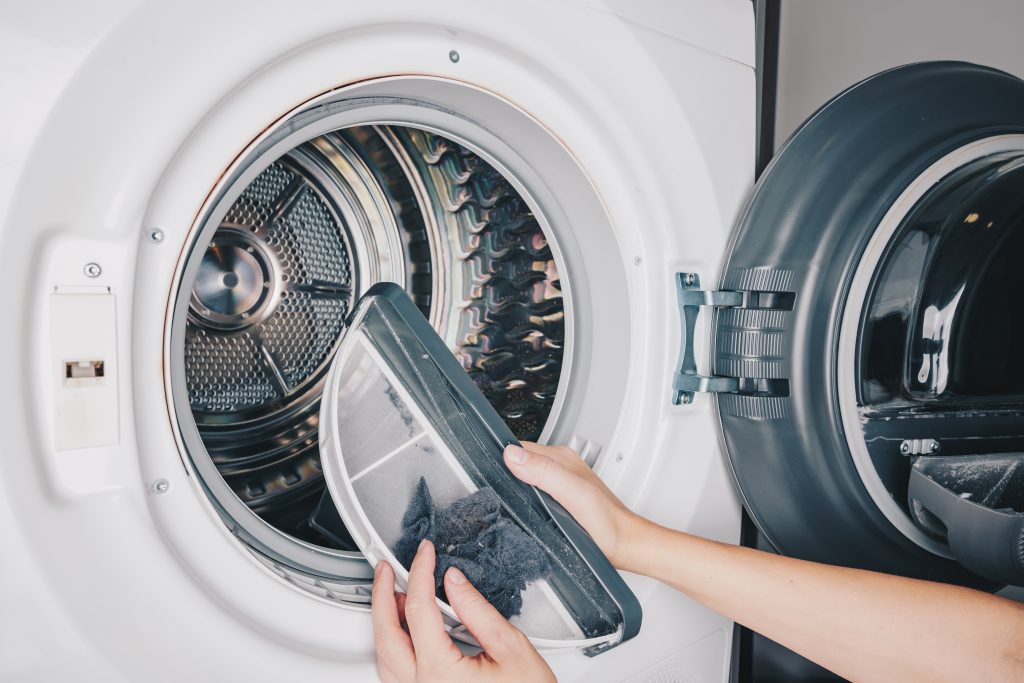
When a dryer takes two cycles to dry, it usually means heat or airflow is getting limited somewhere. Therefore, the machine keeps tumbling but can’t move enough warm air through the load to finish the job on time. At Quick & Pro Appliance Repair, we see this issue often, and the good news is that a few checks can quickly point you to the real cause.
Start With the Load and Settings
Firstly, confirm you are not overfilling the drum, because heavy or packed loads trap moisture in the middle. Consequently, towels and hoodies may feel warm but still stay damp inside seams and pockets. Try one smaller load and choose an appropriate cycle, since “Eco” or low heat modes can extend drying time. That is to say, the dryer might be working normally, but the chosen settings are designed to use less heat and take longer.
Quick load test that tells you a lot
Run a timed dry cycle for 20 minutes with a half load. However, if clothes are still very damp and the drum feels only mildly warm, airflow, heat, or moisture sensing is likely involved. If clothes come out mostly dry on timed dry but not on automatic cycles, the moisture sensor may need cleaning or service.
Airflow Problems Are the #1 Reason
Most importantly, dryers are built to push moist air out fast. Therefore, anything that slows venting can force you into a second cycle. Check the lint screen first, and wash it with warm water and a soft brush if you use dryer sheets, because a waxy film can block air even when the screen looks clean. After that, look behind the dryer for crushed or kinked vent hose sections, which can reduce airflow dramatically.
Don’t forget the outside vent flap
Go outside while the dryer runs and verify strong airflow at the vent hood. Consequently, a weak flow or a flap that barely opens points to a clog in the duct. Birds’ nests, lint buildup, or long vent runs can all cause slow drying. If the vent line is long or goes up through an attic, buildup can happen faster than most people expect.
Check Heat Output Without Guessing
If airflow seems decent, then verify the dryer is actually heating correctly. For example, with an electric dryer, a partially failed heating system can still produce some warmth but not enough to dry a full load quickly. In the same vein, a gas dryer with ignition or flame issues may cycle heat unevenly. You can do a simple observation check: start the dryer and wait a few minutes, then feel for a steady stream of warm air at the outside vent. However, if air is cool or only briefly warm, the heating system may need diagnosis.
If you need professional help with this kind of problem, dryer repair support from Quick & Pro Appliance Repair focuses on safe testing of heat circuits, gas ignition, and airflow performance so the fix matches the real failure.
Automatic Cycles and Moisture Sensors Can Misread Loads
Modern dryers rely on moisture sensors to decide when to stop. Therefore, if sensors are coated with residue, the dryer may “think” clothes are dry too soon or may extend time strangely depending on fabric type. To clarify, the sensor bars are usually inside the drum near the lint filter housing. Clean them gently with rubbing alcohol on a soft cloth, and avoid abrasive pads that can scratch the surface.
Another common issue is mixed loads. For instance, drying heavy towels with lightweight shirts can confuse the sensor, because thick items stay wet longer while thin items dry early. Try sorting by fabric weight to see if the dryer finishes in one cycle again.
Look for Hidden Restrictions and Installation Issues
Sometimes the dryer is fine, but the installation is not. Consequently, a long flexible foil duct, too many elbows, or a vent line that sags can trap lint. A rigid or semi rigid duct usually performs better. Also check that the dryer has enough space behind it, because tight placement can pinch the vent hose every time the machine vibrates.
Meanwhile, if you recently moved or replaced a laundry appliance, it’s worth verifying the vent connection is fully seated and sealed. That is to say, a loose connection can dump moist air into the laundry area, raising humidity and making drying slower.
When the Dryer Drum Turns but Performance Drops
If you notice clothes come out hot yet still damp, airflow is still the prime suspect. However, if the dryer runs and runs with little heat, internal parts may be failing. Common suspects include thermostats, thermal fuses, heating elements, igniters, flame sensors, and control boards. These require proper testing, because replacing parts by guessing can cost more than the real fix.
Quick & Pro Appliance Repair handles full laundry troubleshooting, and if your washer is leaving loads extra wet, that can add drying time too. Therefore, checking spin performance can be helpful, and washer repair service can address draining, spinning, and balance problems that send too much water into the dryer in the first place.
When to Call a Technician
Above all, call for service if you smell burning, the breaker trips, the dryer shuts off mid cycle, or the vent area gets unusually hot. Consequently, these symptoms can signal restricted airflow or overheating protection triggering. Also schedule help if the vent line is hard to access, because professional cleaning and airflow measurement can restore safe operation.
If you want to learn more about how Quick & Pro Appliance Repair approaches safe diagnosis and home service, you can review our process on the about page. And if you’re also noticing performance issues in the kitchen, we can support related needs like dishwasher repair or stove repair so your daily routine stays smooth.
Simple checklist you can use today
Firstly, clean the lint screen and wash it to remove film.
Secondly, confirm strong airflow at the outside vent.
Moreover, inspect the vent hose for kinks or crush points.
In addition, try smaller, sorted loads with a timed dry test.
After that, clean moisture sensor bars and re test auto cycles.
Finally, if heat is weak or airflow is restricted deep in the duct, book professional dryer repair with Quick & Pro Appliance Repair.
FAQs
Why does my dryer take two cycles only with towels?
Towels hold a lot of water, and packed loads block airflow. Therefore, the outside layers may dry while the center stays damp. Try smaller towel loads, clean the lint screen film, and confirm strong vent airflow.
Can a clogged vent really double drying time?
Yes, because the dryer must push moist air out quickly to finish in one cycle. Consequently, lint buildup or a crushed duct traps humidity and heat. Checking the outside vent flap is a fast way to spot it.
My dryer feels hot, but clothes are still damp. What does that mean?
Heat without strong airflow often means moisture cannot escape. That is to say, the drum warms clothes but the steam stays inside the system. Inspect the vent path and consider professional vent cleaning if access is difficult.
Why do automatic cycles stop too soon or run too long?
Automatic cycles rely on moisture sensors and airflow. However, sensor residue, mixed fabric loads, or restricted venting can cause bad readings. Clean the sensor bars and test with similar fabric types.
When should I stop using the dryer and call for service?
Stop if you smell burning, the dryer shuts off repeatedly, the breaker trips, or the vent area becomes extremely hot. Most importantly, these can indicate overheating or serious airflow restriction, and Quick & Pro Appliance Repair can diagnose it safely.
