
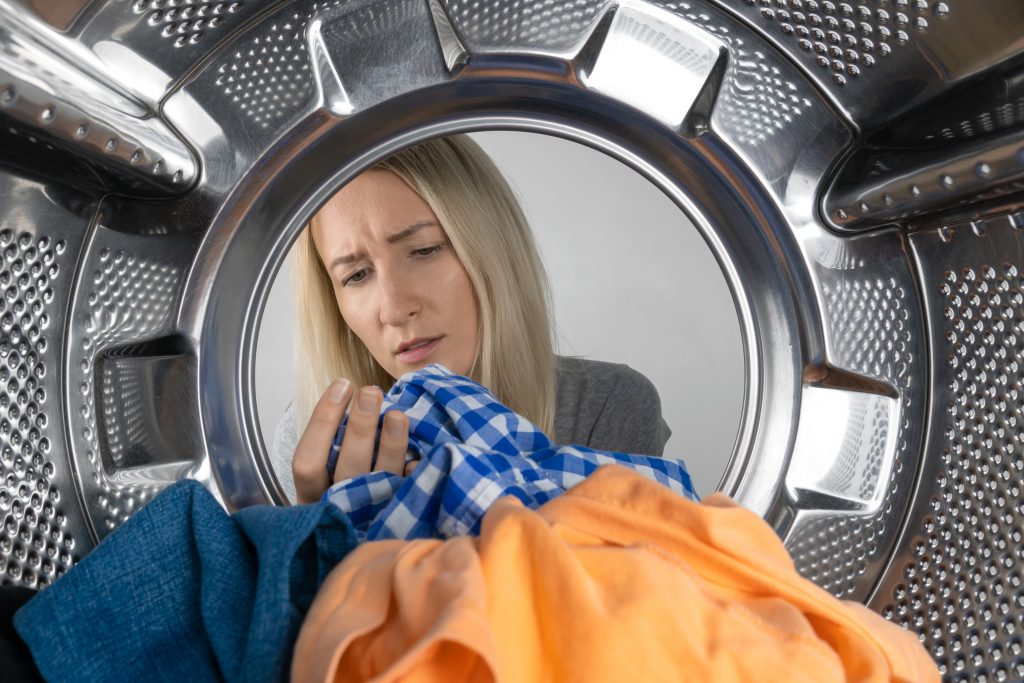
When a dryer starts normally but fails to produce heat, it quickly becomes frustrating. Clothes stay damp, cycles take longer, and energy gets wasted. At Quick & Pro Appliance Repair, we often see this issue, and in most cases, the cause is something that can be identified with a clear step-by-step approach.
Therefore, understanding what is happening inside your dryer helps you react faster and avoid bigger repairs later.
Why Your Dryer Runs Without Heat
A dryer that spins but does not heat is usually dealing with a failure in its heating system. However, the issue can come from several components working together.
Firstly, the most common cause is a blown thermal fuse. This small safety device shuts off heat when the dryer overheats. As a result, the dryer will still run, but it will not produce any heat.
Secondly, heating elements can burn out over time. This is especially true if the dryer has been used heavily or if airflow has been restricted. In addition, clogged vents can force the dryer to overwork, leading to overheating and damage.
Another possible issue is a faulty thermostat or temperature sensor. These parts control how heat is regulated. If they fail, the dryer may not activate heat at all.
Common Electrical Problems That Stop Heat
Electrical components also play a major role in heat production. That is to say, even if the dryer appears to work, it may not be receiving the correct power.
Firstly, electric dryers require a full 240-volt supply. If one side of the power supply fails, the motor will still run, but the heating element will not activate. Consequently, the dryer behaves like it is working normally without actually drying clothes.
Similarly, wiring issues inside the dryer can interrupt the heating circuit. Loose connections or worn wires may prevent power from reaching key components.
If you notice this issue, it may be helpful to explore solutions like dryer repair to properly diagnose electrical faults and restore full functionality.
Airflow Problems That Affect Heating
Airflow is just as important as electrical performance. Without proper ventilation, even a working heating system can fail.
For example, lint buildup inside the vent or duct can block hot air from circulating. As a result, heat cannot reach your clothes effectively, and sensors may shut off heating to prevent overheating.
Moreover, blocked airflow forces the dryer to run longer cycles. This increases wear on internal parts and can lead to repeated failures.
Regular cleaning helps prevent these issues. In addition, checking external vents ensures that air can move freely outside your home.
If you are dealing with multiple appliance issues at once, services like dishwasher repair or other appliance maintenance may also be worth considering to keep your home running smoothly.
Gas Dryer Issues That Stop Heat Production
Gas dryers have a different system, but similar problems can occur. Instead of electric heating elements, they rely on gas burners.
Firstly, the igniter may fail. This part is responsible for lighting the gas. If it stops working, the dryer will run without heat.
Secondly, gas valve coils can wear out over time. These coils control gas flow, and when they fail, the burner will not ignite properly.
In addition, issues with the flame sensor can prevent the dryer from recognizing when heat is needed. As a result, the system shuts down heating even though everything else appears normal.
Therefore, gas dryer problems often require careful inspection to identify the exact cause.
When to Repair Instead of Replace
Many homeowners wonder whether a no-heat issue means it is time to replace the dryer. However, in most cases, repair is the better option.
Firstly, parts like thermal fuses, heating elements, or thermostats are relatively affordable. Secondly, replacing these components can extend the life of your dryer by several years.
Moreover, addressing the problem early prevents additional damage. For instance, ignoring airflow issues can eventually affect other appliances, including refrigerators and ovens.
If you are maintaining multiple appliances, services like fridge repair or stove repair can help keep everything in proper working condition.
How We Approach Dryer Heating Problems
At Quick & Pro Appliance Repair, we follow a clear process to identify and fix heating issues.
Firstly, we check the power supply and electrical connections. This ensures the dryer is receiving the correct voltage.
Secondly, we inspect internal components such as the heating element, thermal fuse, and thermostats. This helps pinpoint exactly where the failure occurs.
After that, we examine airflow and ventilation. Blockages are removed, and the system is tested to confirm proper operation.
Most importantly, we focus on practical solutions that restore performance without unnecessary replacements.
If you want to learn more about full appliance support, you can also visit appliance repair services for a broader overview of available solutions.
Signs You Should Not Ignore
There are a few warning signs that indicate your dryer needs attention right away.
Firstly, clothes remain damp even after a full cycle. Secondly, the dryer runs longer than usual without improvement. In addition, you may notice unusual smells or excessive heat buildup.
These signs often point to underlying problems that can worsen over time. Therefore, addressing them early helps avoid more expensive repairs later.
FAQs
Why does my dryer run but not heat?
This usually happens due to a blown thermal fuse, faulty heating element, or power supply issue. In other words, the dryer can still spin, but heat is not being generated.
Can a clogged vent cause no heat?
Yes, restricted airflow can cause overheating and trigger safety components to shut off heat. As a result, the dryer runs without producing warmth.
Is it safe to keep using a dryer with no heat?
It is not recommended. Although it may seem harmless, the underlying issue can lead to further damage or safety risks over time.
How long does it take to fix a no-heat dryer?
Most repairs can be completed quickly once the issue is identified. However, the exact time depends on the specific component that needs replacement.
Should I repair or replace my dryer?
In most cases, repairing is more cost-effective. Therefore, replacing small parts can restore full function without the expense of a new appliance.




