A dryer airflow problem can quietly reduce efficiency, extend drying times, and increase energy use without obvious warning signs. At Quick & Pro Appliance Repair, we often see how restricted airflow slowly damages dryers while homeowners assume the machine is simply aging. That is to say, airflow plays a direct role in how heat moves through the drum and removes moisture from clothes. When this process becomes disrupted, performance drops little by little until the issue becomes impossible to ignore.
Many households continue using their dryers despite these early signs. However, ignoring airflow issues can lead to higher repair costs and even safety risks over time.
How Airflow Impacts Dryer Performance Daily
Air circulation inside a dryer controls how effectively moisture leaves fabrics. When air flows freely, clothes dry faster and evenly. In other words, proper airflow keeps heat consistent and prevents damp spots.
A dryer airflow problem changes this balance almost immediately. The machine still runs, but it struggles to push hot air through the drum. As a result, moisture stays trapped in fabrics longer than expected. You may notice longer cycles or repeated drying attempts for the same load.
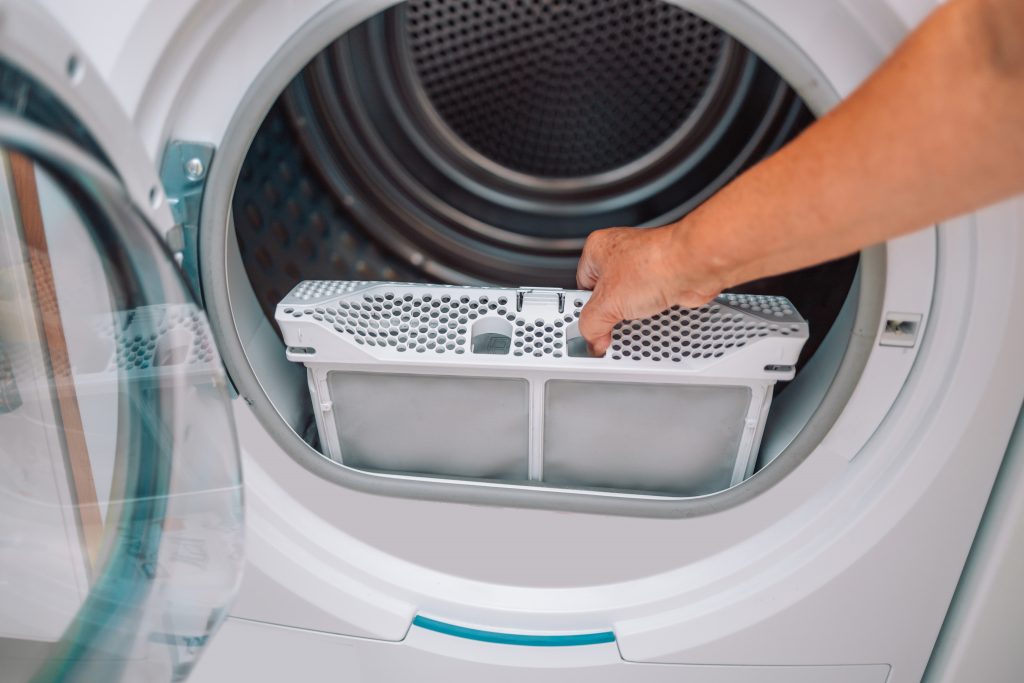
Small airflow restrictions often start inside the lint system. For example, lint buildup can block internal ducts and reduce ventilation. Over time, this buildup grows and begins to affect performance more noticeably.
If you start noticing these signs, it may be helpful to explore a professional dryer repair service to prevent further damage and restore proper function.
Common Causes Behind a Dryer Airflow Problem
Airflow issues rarely appear suddenly. Instead, they develop slowly through everyday use. Most importantly, understanding the causes helps prevent long-term damage.
Lint accumulation remains the most common reason. Even when you clean the lint filter regularly, fine particles can travel deeper into the system. These particles collect inside ducts and vents where they restrict airflow.
Blocked exterior vents also create serious airflow problems. For instance, debris, bird nests, or even snow can limit how air exits your home. When exhaust air cannot escape, heat builds up inside the dryer.
Another cause involves damaged or crushed vent hoses. If the hose bends or compresses behind the unit, airflow becomes restricted immediately. Similarly, older dryers may suffer from worn internal components that reduce airflow efficiency.
In some cases, airflow problems connect with other appliance issues. For example, poor cooling in refrigeration systems can also indicate airflow disruptions, which is why checking services like fridge repair can help identify broader ventilation concerns in your home.
Early Signs You Should Not Ignore
Many people overlook the first signs of airflow issues. However, recognizing them early can prevent major repairs later.
Longer drying times often appear first. Clothes that once dried in one cycle may suddenly need two or three runs. This change happens because moist air remains trapped inside the drum.
Excess heat is another warning sign. When airflow becomes restricted, heat cannot escape properly. Consequently, the dryer may feel unusually hot during operation.
You may also notice a burning smell. This odor usually comes from lint buildup heating inside the system. Above all, this sign should never be ignored because it increases fire risk.
Another subtle sign includes damp clothes even after a full cycle. This issue often points directly to a dryer airflow problem affecting moisture removal.
If these problems begin appearing alongside cooking appliance issues, checking systems like stove repair can help identify whether ventilation patterns across appliances are being affected.
Why Ignoring Airflow Problems Leads to Bigger Damage
Many homeowners delay repairs because the dryer still works. However, a restricted airflow system forces the appliance to work harder than normal.
This extra strain affects heating elements, motors, and sensors. As a result, components wear out faster than expected. Repair costs increase as more parts become involved.
Higher energy bills also follow airflow problems. The dryer consumes more power to achieve the same results. Over time, this inefficiency becomes noticeable in monthly expenses.
Most importantly, lint buildup combined with heat creates a fire hazard. Airflow problems allow heat to concentrate in areas where lint collects. Consequently, this combination raises safety concerns significantly.
In some homes, airflow issues extend beyond the dryer. For instance, improper ventilation can impact laundry appliances as a whole. That is why checking related services like washer repair may help ensure the entire laundry setup works efficiently.
How Regular Maintenance Prevents Airflow Issues
Preventing airflow problems requires consistent attention. Fortunately, simple steps can reduce the risk of major issues.
Cleaning the lint filter after every load remains essential. This habit prevents buildup from entering deeper parts of the system. In addition, scheduling periodic vent cleaning helps remove hidden blockages.
Checking the exterior vent is equally important. Make sure nothing blocks airflow outside your home. Even small obstructions can affect performance significantly.
Positioning the dryer correctly also matters. Avoid pushing the unit too close to the wall, as this can crush the vent hose. Maintaining proper spacing allows air to move freely.
For long-term performance, professional inspections provide added protection. A technician can identify hidden airflow restrictions before they become serious problems. You can also explore general maintenance solutions through appliance repair services to keep all systems running smoothly.
When to Call for Professional Help
Some airflow issues go beyond simple cleaning. When problems persist, professional diagnosis becomes necessary.
If drying times continue increasing, the airflow system may have internal blockages. Technicians use specialized tools to clear these areas safely.
Strange noises or overheating also require attention. These symptoms often indicate deeper mechanical stress caused by restricted airflow.
At Quick & Pro Appliance Repair, we focus on identifying airflow issues early and restoring full efficiency. Our approach ensures dryers operate safely and effectively without unnecessary replacements.
A dryer airflow problem may seem minor at first, but it gradually affects performance, safety, and cost. Addressing it early keeps your appliance working reliably for years.
FAQs
What is the main cause of a dryer airflow problem?
Lint buildup inside vents and ducts causes most airflow issues. Even small particles can collect over time and restrict air movement significantly.
How often should I clean my dryer vent?
You should clean the vent at least once a year. However, heavy use may require more frequent maintenance.
Can airflow issues damage my dryer permanently?
Yes, restricted airflow forces components to work harder. Over time, this can lead to overheating and part failure.
Why does my dryer feel hotter than usual?
Poor airflow traps heat inside the unit. This buildup increases internal temperature and affects performance.
Is a burning smell always related to airflow problems?
In many cases, yes. Lint buildup combined with heat often creates a burning odor and requires immediate attention.




