
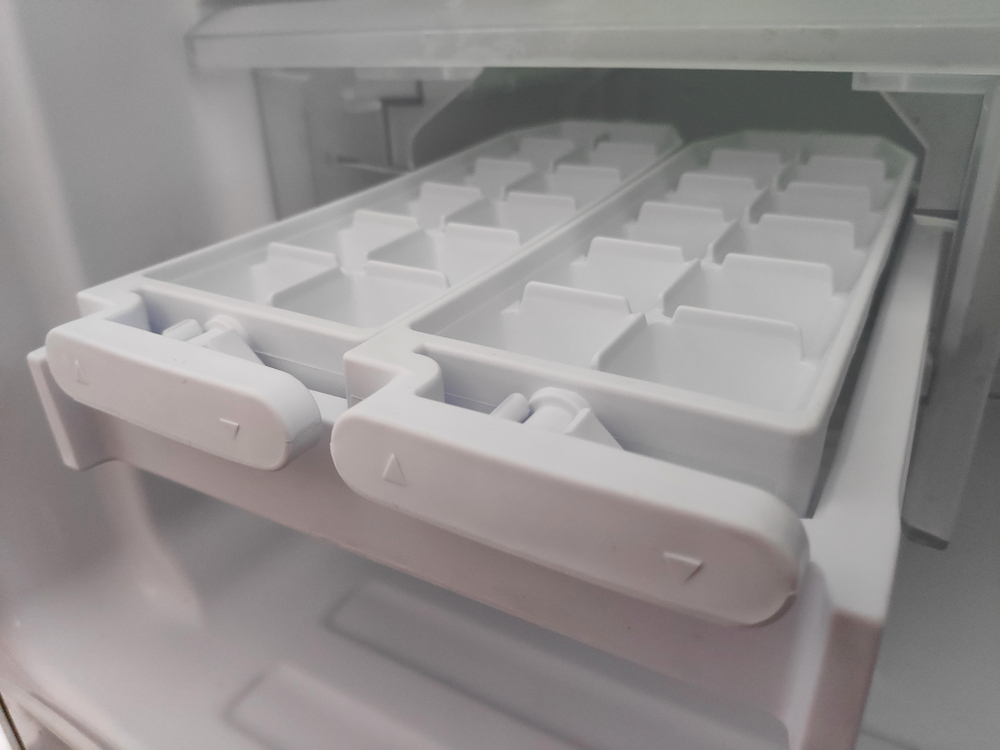
An ice maker not working is one of the most common calls Quick & Pro Appliance Repair hears from San Gabriel Valley homeowners, and the cause is often simpler than expected. A warm freezer, a frozen fill tube or a clogged water filter can all stop production. This guide explains how the system works, which checks are safe to try yourself, and when a technician should take over.
Why an Ice Maker Not Working Is Often Fixable
Most ice makers rely on only a few parts. A water line feeds an inlet valve, the valve fills a mold, a thermostat senses when the water has frozen, and a heater or motor releases the cubes into the bin. When one link fails, the whole chain stops.
That is good news for owners. A single failed part usually points to a clear repair, and many ice maker faults come from simple blockages rather than a dead fridge. A correct diagnosis saves you from replacing parts that were never broken.
The signs also tell a story. No ice at all suggests a supply or power problem. Small, hollow or clumped cubes usually suggest a flow or temperature problem. A full bin that never fills again points to a stuck arm or a sensor.
How Your Ice Maker Actually Makes Ice
Knowing the cycle makes troubleshooting much easier. First, the control board opens the water inlet valve for a few seconds. The mold fills with a measured amount of water. Then the freezer air chills the water until a thermostat reads a set temperature.
At that point a heater warms the mold slightly, and an ejector sweeps the cubes into the bin. A feeler arm or optical sensor checks the bin level. If the arm is raised or blocked, the machine believes the bin is full and stops.
As an industry estimate, many home ice makers need about 90 minutes to a few hours to complete one batch. Expect slow output right after you reset or reinstall the unit. Give it a full day before you judge the result.
Quick Checks Before You Call
Start with the easy items. These checks are safe, take little time and rule out the most common causes.
- Make sure the feeler arm or on/off switch is in the "on" position, not locked up.
- Look for a large ice clump in the bin that blocks the arm, and break it up.
- Confirm the water line valve behind the fridge is fully open.
- Check that the fridge is level and the door seals fully when closed.
- Replace the water filter if it has gone past the maker’s suggested interval.
Many manufacturers suggest changing the filter about every six months. A clogged filter restricts flow, which creates thin cubes or none at all. If the filter is old, swap it first and wait a day.
Temperature Problems That Stop Ice
Freezer temperature matters more than most people realise. Most makers target a freezer near 0°F, and ice production often slows when the compartment rises above roughly 5°F to 10°F. A packed freezer or a blocked vent can raise that number quickly.
Place a thermometer in the freezer for several hours. If the reading stays too warm, the ice maker is only a symptom. The real fault may sit in the cooling system itself, and our guide to a fridge that cannot hold temperature walks through those causes.
Symptom, Likely Cause and What We Do
Use this table to match what you see with the most probable fault.
| Symptom | Likely cause | What a technician does |
|---|---|---|
| No ice, no water at the dispenser | Closed valve or failed inlet valve | Tests the supply, then the valve |
| Tiny or hollow cubes | Clogged filter or low flow | Checks the filter and water line |
| Ice stuck in a solid block | Melt and refreeze cycles | Inspects temperature and door seal |
| Bin never refills | Raised arm or failed sensor | Tests the arm and control board |
| Water leaks near the mold | Cracked fill tube or loose fitting | Replaces the damaged part |
| Ice tastes or smells odd | Old filter or stored food odours | Replaces filter and cleans bin |
If your symptom matches several rows, do not worry. A technician can test each part in order and narrow the list quickly.
When the Water Supply Is the Problem
A frozen fill tube is a classic cause. The small tube that carries water into the mold can ice over when the freezer runs too cold or the door gaps slightly. Once it freezes, the mold gets no water, and no ice forms.
Never chip at the tube with a sharp tool. You can crack the plastic or damage the wiring nearby. Instead, unplug the fridge and let the area thaw fully before you test again.
A kinked line behind the fridge can also restrict flow. Pull the unit out gently and look for sharp bends. Also confirm that the saddle valve or shutoff has not clogged with mineral deposits, which is common where water is hard.
When an Ice Maker Not Working Signals a Bigger Fridge Issue
Sometimes the ice maker is simply the first part to show a deeper fault. If food in the main compartment is warming, or you hear unusual clicking from the back, the cooling system may be struggling. A failing compressor or fan can drop freezer performance long before the food spoils.
In that case, stop troubleshooting the ice maker. Read our notes on signs of a failing fridge compressor and arrange a proper assessment. Our fridge repair service covers both the cooling system and the ice making components.
Safety also matters here. Water and electricity share the same space behind a fridge, so unplug the unit before you touch any wiring or valve. If you see damaged wires or hear buzzing, leave it alone and call a professional.
Prevention Habits That Keep Ice Flowing
Small habits prevent most ice maker failures. Replace the filter on schedule, keep the freezer from overfilling, and empty and wash the bin a few times a year. Check the door seal for gaps, because warm air feeds frost and ice clumps.
You can also compare your fridge against the efficiency guidance on the ENERGY STAR refrigerator page, which explains how correct temperature settings protect performance. Keeping the fridge level and away from heat sources helps every part last longer.
Frequently Asked Questions
Why is my ice maker making no ice but the dispenser gives water?
That pattern usually means water reaches the fridge but not the mold. A frozen fill tube, a failed inlet valve or a faulty control board are the common causes. A technician can test each one in turn.
How long should I wait after resetting the ice maker?
Allow about 24 hours before judging the result. Many units produce only a few batches in the first several hours, and the first batches are often small. If nothing appears after a full day, the fault needs a closer look.
Can a dirty water filter stop ice production?
Yes. A clogged filter restricts flow and can leave the mold underfilled, which creates small or hollow cubes. Replacing the filter is a simple first step.
Is it safe to keep using the fridge if the ice maker fails?
In most cases the fridge still cools food normally. Switch the ice maker off and shut the water line if you see leaks. Call a technician if food temperature also rises.
Contact Quick & Pro Appliance Repair
If your ice maker still will not cooperate, call us at (818) 860-8028. Our hours are Monday to Sunday, 7am to 9pm. You can also use the contact page to describe the problem. We give an honest quote after we assess the fridge.