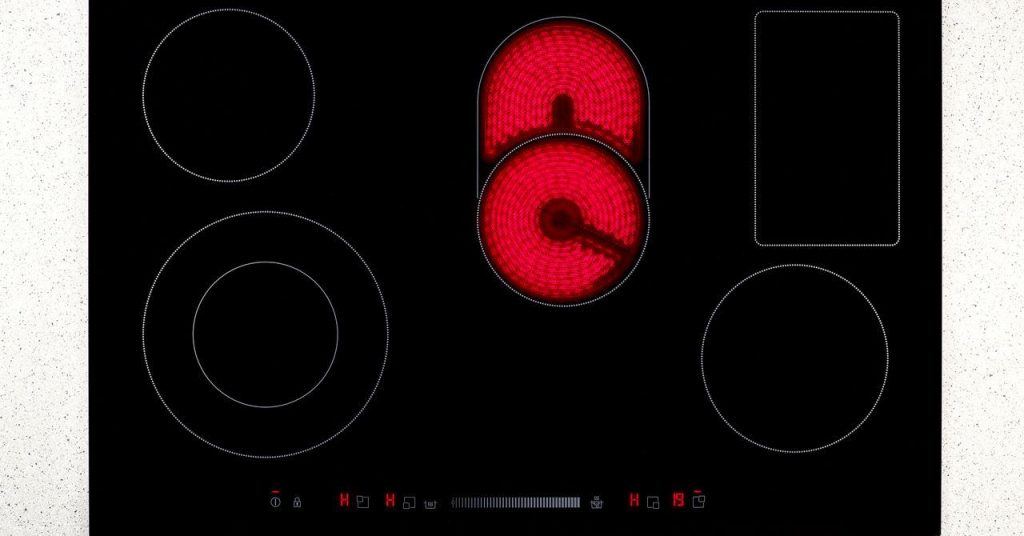
If you notice stove heat inconsistent behavior every time you cook, you are not dealing with normal variation. Quick & Pro Appliance Repair often sees this issue in homes where daily cooking becomes unpredictable. One day the burner works fine, but the next day it struggles to maintain steady heat. As a result, meals turn out uneven, and cooking becomes frustrating.
This problem usually points to internal issues rather than user error. In other words, your stove is trying to work but failing to deliver consistent performance. Understanding what causes stove heat inconsistent patterns will help you act early and avoid larger repairs.
Why Stove Heat Inconsistent Problems Keep Getting Worse
A stove rarely becomes unreliable overnight. Instead, small issues build up over time and start affecting heat control. For example, worn heating elements or clogged gas ports slowly reduce efficiency. Consequently, the stove begins to produce uneven heat across burners.
Electrical components can also play a major role. When internal wiring weakens, power delivery becomes unstable. As a result, heat output fluctuates even when you keep the same setting. This explains why the same meal cooks differently each day.
Temperature sensors also contribute to the issue. If they fail to read heat correctly, the stove cannot regulate itself. Therefore, it may overheat or drop temperature without warning. In many homes, this creates the classic stove heat inconsistent pattern people notice during daily use.
Common Parts That Cause Uneven Heating
Several key parts control how your stove generates and maintains heat. When one of them fails, the entire cooking experience changes. Firstly, burners or heating elements often wear down after years of use. They may still turn on, but they no longer distribute heat evenly.
Secondly, control switches or knobs may stop sending accurate signals. This means the setting you choose does not match the heat produced. In addition, internal thermostats may misread temperatures, which causes constant fluctuation.
Gas stoves face a different set of challenges. Blocked burner ports can restrict gas flow, leading to uneven flames. Meanwhile, ignition systems may struggle to maintain steady output. If the problem spreads beyond one appliance, it may be worth checking other systems like fridge repair or overall kitchen performance.
Daily Cooking Signs You Should Not Ignore
Most people notice stove heat inconsistent behavior during regular cooking tasks. For instance, water may take longer to boil on certain days. On other days, food may burn even at lower settings. These signs clearly indicate unstable heat control.
Another common sign is uneven cooking surfaces. One side of a pan may cook faster than the other. As a result, meals require constant adjustment and monitoring. This disrupts your routine and adds unnecessary stress to simple tasks.
You may also notice burners cycling on and off too frequently. This often points to thermostat or control issues. Meanwhile, strange clicking or delayed ignition can signal electrical problems. If similar issues appear in laundry appliances, checking washer repair services can reveal broader system wear in the home.
How Airflow and Power Supply Affect Stove Performance
Airflow plays a bigger role than many expect. Electric stoves rely on proper ventilation to prevent overheating. When airflow becomes restricted, internal components heat up unevenly. Consequently, the stove struggles to maintain stable output.
Power supply also matters. Inconsistent voltage can directly impact heating performance. Even small fluctuations may cause noticeable changes in cooking results. Therefore, checking electrical connections becomes essential when diagnosing stove heat inconsistent issues.
Gas stoves depend on steady gas pressure. If supply levels fluctuate, the flame becomes unstable. As a result, heat output changes throughout the cooking process. Similar airflow issues can affect dryers, which is why some homeowners explore dryer repair when performance drops in multiple appliances.
When Repairs Become Necessary
At some point, basic adjustments will no longer fix the issue. When stove heat inconsistent behavior becomes frequent, deeper repairs are usually required. Ignoring the problem can lead to higher energy use and more damage.
Technicians typically inspect heating elements, wiring, and control boards first. After that, they test temperature accuracy and power flow. This process helps identify the exact cause without unnecessary part replacements.
Quick & Pro Appliance Repair handles these issues by focusing on accurate diagnosis rather than guesswork. That is to say, the goal is to restore consistent performance, not just temporary improvement. If your cooking results keep changing daily, it is time to consider professional service.
Preventing Future Heating Problems
Prevention always saves time and money. Regular cleaning helps maintain proper heat distribution. For example, keeping burners clear allows heat to spread evenly across cookware. In addition, checking connections ensures stable power flow.
Routine inspections also help detect early wear. Small issues can be fixed before they affect daily use. As a result, your stove remains reliable for a longer period.
It is also helpful to monitor other kitchen appliances. When multiple devices show performance changes, it may indicate a shared issue. In that case, reviewing services like stove repair alongside other appliance checks can provide a complete solution.
Consistent cooking depends on stable equipment. Therefore, addressing stove heat inconsistent patterns early will keep your kitchen running smoothly.
FAQs
Why does my stove heat change from day to day?
This usually happens due to worn components, faulty sensors, or unstable power supply. These factors cause uneven heat output even when settings stay the same.
Can I fix inconsistent stove heat myself?
You can clean burners and check basic connections. However, internal electrical or gas issues require professional inspection to avoid further damage.
Is uneven heat dangerous?
Yes, it can be. Inconsistent heat may lead to overheating or gas flow issues, which can create safety risks if ignored.
How do I know if the thermostat is failing?
If your stove frequently overheats or cools down without adjustment, the thermostat may be reading temperatures incorrectly.
When should I call a technician?
If the issue happens daily or affects multiple burners, it is best to call a technician before the problem worsens.




