When your stove starts cooking unevenly, it quickly turns simple meals into frustrating experiences. However, this issue is more common than most homeowners expect. At Quick & Pro Appliance Repair, we often see stoves that heat inconsistently due to a mix of wear, hidden damage, or simple maintenance issues.
Therefore, understanding what causes uneven heating helps you avoid wasted time and food. In many cases, the problem can be identified early before it turns into a bigger repair. As a result, you can keep your kitchen running smoothly and avoid unexpected breakdowns.
Common Reasons Your Stove Heats Unevenly
Uneven heating usually starts with internal components that no longer work the way they should. For example, one of the most common issues is a failing heating element. If part of the element burns out, the stove will still turn on, but the heat distribution becomes inconsistent.
In addition, temperature sensors can lose accuracy over time. That is to say, your stove may think it has reached the correct temperature when it has not. Consequently, some areas of your cookware receive less heat, leading to undercooked food.
Another factor involves electrical connections. Loose or damaged wiring can interrupt the flow of power. As a result, certain burners or sections of the stove may not heat properly even though the appliance appears to function normally.
How Burner Problems Affect Cooking Performance
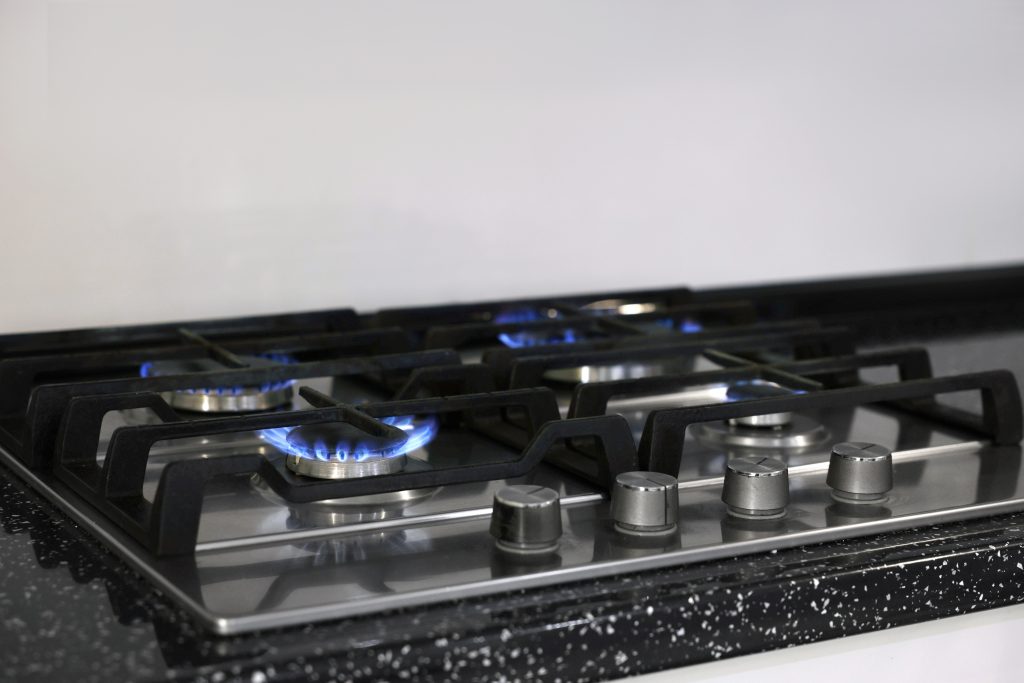
Burners play a direct role in how evenly your stove heats. However, many homeowners overlook small signs that indicate trouble. For instance, if a burner glows unevenly or takes longer to heat up, it may already be failing.
Similarly, dirt and grease buildup can block proper heat transfer. When residue collects under or around burners, it prevents consistent heating across the surface. In the same vein, warped burner components can create gaps between the cookware and the heat source.
At Quick & Pro Appliance Repair, we often recommend checking burners first before assuming a bigger issue. If cleaning and repositioning do not solve the problem, it may be time to consider professional stove repair.
The Role of Cookware and Placement
Sometimes the issue is not inside the appliance but related to how it is used. For example, uneven cookware can cause heat to distribute poorly. If the bottom of a pan is warped, it will not sit flat on the burner.
Moreover, placing cookware off-center can lead to uneven cooking results. Heat concentrates in one area while the rest of the pan remains cooler. Consequently, food cooks unevenly even if the stove itself is working correctly.
Likewise, using the wrong size cookware can also affect performance. A small pot on a large burner may not distribute heat efficiently. In addition, oversized cookware may block airflow and create inconsistent heating zones.
Internal Components That May Be Failing
When simple fixes do not solve the issue, internal components are often responsible. For instance, faulty thermostats can misread temperature levels. As a result, the stove cycles heat incorrectly, causing hot and cold spots.
Meanwhile, control boards can also develop problems over time. These parts regulate how much power is sent to each burner. If they fail, the stove may not maintain steady heat levels.
In more advanced cases, wiring harnesses or switches may degrade. That is to say, even if the stove turns on, it may not deliver consistent performance. Therefore, professional inspection becomes necessary to identify the exact issue.
If you notice multiple appliance issues at once, it may be worth checking related systems such as dryer repair or even scheduling a broader inspection through the main appliance repair services.
When to Call for Professional Help
There comes a point when DIY troubleshooting is no longer enough. For example, if your stove continues heating unevenly after cleaning and testing burners, deeper components are likely involved.
Additionally, electrical issues should never be handled without proper tools and experience. In other words, attempting repairs without the right knowledge can lead to safety risks. Consequently, calling trained technicians is the safest option.
At Quick & Pro Appliance Repair, we approach each issue step by step. First, we inspect visible components. After that, we test internal systems to locate the exact cause. As a result, repairs are accurate and long-lasting.
If your kitchen appliances show multiple signs of trouble, you may also want to explore services like fridge repair or even preventative checks similar to dishwasher repair.
How to Prevent Uneven Heating in the Future
Preventing uneven heating starts with regular maintenance. Firstly, keeping burners clean ensures proper heat flow. In addition, checking cookware condition helps maintain consistent cooking results.
Secondly, avoid overloading your stove or using mismatched cookware sizes. This simple habit reduces strain on heating elements. Moreover, it improves overall efficiency during cooking.
Most importantly, schedule periodic inspections if you notice early warning signs. Small issues, when ignored, often turn into larger repairs. Therefore, acting early can save both time and money.
At Quick & Pro Appliance Repair, we believe that consistent performance comes from proper care and timely service. In short, a well-maintained stove not only cooks better but also lasts longer.
FAQs
Why is only one side of my stove heating properly?
This usually points to a partial heating element failure or uneven burner contact. However, it can also be caused by cookware placement. A professional inspection can confirm the exact issue.
Can a dirty stove cause uneven heating?
Yes, buildup of grease and debris can block heat distribution. As a result, burners may not transfer heat evenly. Regular cleaning helps prevent this problem.
Is uneven heating dangerous?
Uneven heating itself is not always dangerous, but it can signal electrical or component issues. Therefore, ignoring it may lead to bigger problems over time.
Should I replace my stove if it heats unevenly?
Not always. In many cases, replacing parts like burners or thermostats solves the issue. A technician can determine whether repair or replacement is the better option.
How quickly can this issue be fixed?
Most uneven heating problems can be diagnosed quickly. However, repair time depends on the faulty component. Simple fixes may be completed the same day.
