
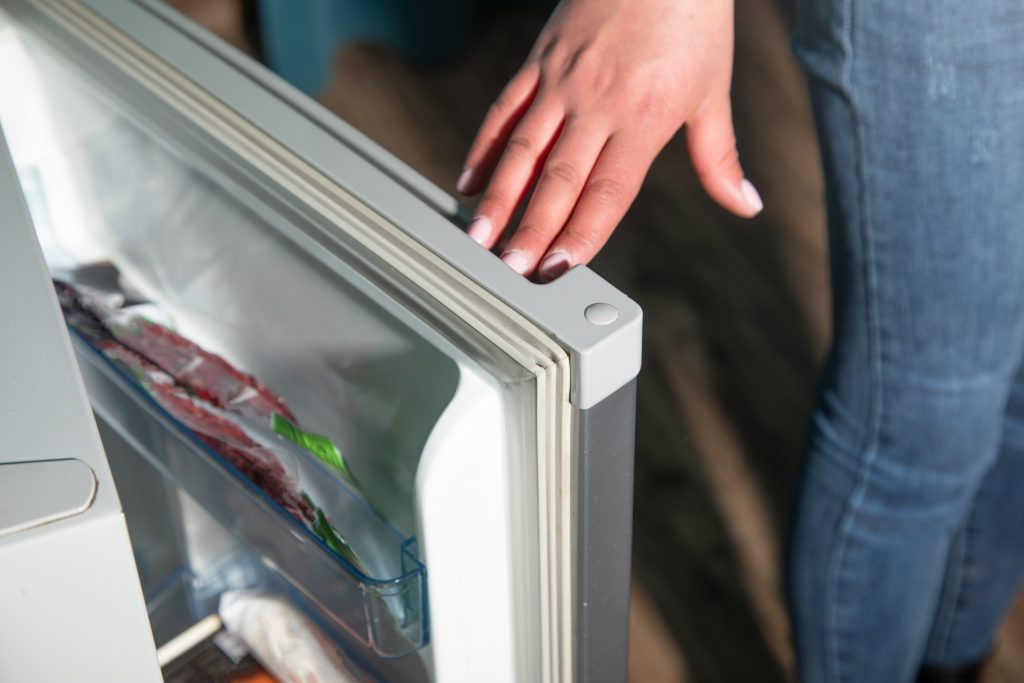
When you notice fridge temperature fluctuations, it often feels confusing because the door seems to seal properly every time. Quick & Pro Appliance Repair sees this issue often in homes across the area, and it usually points to a hidden problem inside the system rather than a simple user mistake. Many homeowners assume the fridge works fine since it runs and cools, however the uneven temperature tells a different story.
A stable temperature is essential for food safety and appliance efficiency. Therefore, even small fluctuations can lead to spoiled food and higher energy use over time.
What Causes Fridge Temperature Fluctuations Even When the Door Closes Properly
Several internal components control cooling cycles. When one part fails or works inefficiently, the entire balance shifts. For example, airflow problems inside the fridge can prevent cold air from reaching every section evenly.
Blocked vents are one of the most common causes. Items placed too close to the back panel can restrict circulation, so cold air cannot move freely. As a result, some areas stay cold while others warm up.
Another common issue involves the thermostat. If it sends incorrect readings, the fridge may turn cooling on and off at the wrong times. In other words, the appliance reacts to false signals instead of actual temperatures.
You may also notice similar performance problems in other appliances, which is why checking systems regularly matters. If you ever face related issues, you can explore general appliance help through appliance repair services for proper inspection.
How Airflow Problems Lead to Fridge Temperature Fluctuations
Airflow is the backbone of consistent cooling. Cold air moves from the freezer into the fridge through vents, and this circulation keeps temperatures steady. However, when airflow gets disrupted, the system cannot maintain balance.
Dirty evaporator coils can reduce airflow efficiency. Dust buildup acts like insulation, preventing heat exchange from working properly. Consequently, the fridge struggles to maintain the correct temperature.
A faulty fan motor can also create uneven cooling. If the fan slows down or stops, cold air stays trapped in one section. Meanwhile, other areas begin to warm up gradually.
This issue often goes unnoticed at first. Food may still feel cool, but it does not stay fresh as long as expected. That is a clear sign that airflow is not functioning correctly.
Why Door Seals Still Matter Even When the Door Closes
Even when the fridge door closes, small leaks can still occur. Worn-out gaskets may not create a perfect seal, allowing warm air to enter slowly. Over time, this constant air exchange causes fridge temperature fluctuations.
You can test the seal by placing a piece of paper between the door and the frame. If it slides out easily, the seal may need replacement. This simple check can reveal hidden issues that are not obvious at first glance.
Temperature inconsistency can also affect other appliances in your kitchen. For instance, poor heat control may show up in cooking equipment, which is why checking related systems like stove repair services can help maintain overall performance.
The Role of Sensors and Control Boards in Temperature Stability
Modern refrigerators rely on sensors and control boards to regulate cooling cycles. These components measure temperature and adjust compressor activity accordingly. When they fail, the system loses accuracy.
A faulty sensor may report incorrect readings. Therefore, the fridge may cool too much or not enough. This inconsistency leads to noticeable fridge temperature fluctuations throughout the day.
Control board issues can also disrupt timing. If the board does not send proper signals, the compressor may run longer than needed or shut off too early. Both situations create unstable temperatures inside the unit.
In some cases, these problems appear alongside issues in other appliances. If laundry appliances show inconsistent performance, checking washer repair solutions may help identify broader electrical concerns.
When Cooling Problems Spread Across Multiple Appliances
Sometimes, temperature instability does not stay isolated to one appliance. Electrical supply issues or ventilation problems can affect multiple units in your home.
For example, a dryer that overheats or underperforms may share similar airflow or power issues. If you notice related symptoms, consider reviewing dryer repair options to ensure everything runs efficiently.
Fridge temperature fluctuations often signal deeper mechanical or electrical problems. Addressing them early prevents further damage and keeps your kitchen running smoothly.
How to Fix and Prevent Fridge Temperature Fluctuations
Start with simple checks. Make sure vents remain clear and avoid overloading shelves. Proper spacing allows air to circulate freely, which helps maintain stable cooling.
Clean the coils regularly. Dust buildup reduces efficiency, so removing it improves performance immediately. In addition, check the door seals for wear and replace them if needed.
If the problem continues, internal components may require professional inspection. Sensors, fans, and control boards need proper testing to identify the exact cause.
For deeper cooling issues, exploring professional help like fridge repair services ensures accurate diagnosis and long-term solutions.
Quick & Pro Appliance Repair handles these problems with a clear process. The team checks airflow, electrical systems, and internal components to restore stable cooling quickly. As a result, homeowners avoid repeated issues and costly food waste.
Why You Should Not Ignore Temperature Changes
Ignoring fridge temperature fluctuations can lead to bigger problems. Food safety becomes a concern, and energy bills may increase due to inefficient operation.
Small issues often grow into major repairs. Therefore, early action saves both time and money. A fridge that maintains consistent temperature works better and lasts longer.
Quick & Pro Appliance Repair recommends addressing any unusual cooling patterns as soon as possible. Consistent performance depends on proper airflow, accurate sensors, and well-functioning components.
FAQs
Why does my fridge temperature keep changing during the day
Temperature changes often happen due to airflow issues, faulty sensors, or thermostat problems. These factors cause the cooling cycle to turn on and off at the wrong times.
Can a full fridge cause temperature fluctuations
Yes, overloading blocks air vents. As a result, cold air cannot circulate evenly, leading to warm and cold spots inside the fridge.
How do I know if my fridge door seal is bad
You can test it using a piece of paper. If the paper slides out easily, the seal is not tight enough and may need replacement.
Is it normal for fridge temperature to vary slightly
Small variations are normal. However, noticeable changes that affect food freshness indicate a problem that needs attention.
When should I call a technician for fridge issues
If basic cleaning and adjustments do not fix the issue, it is best to call a technician. Persistent fluctuations usually require professional inspection.




